October 10, 2026
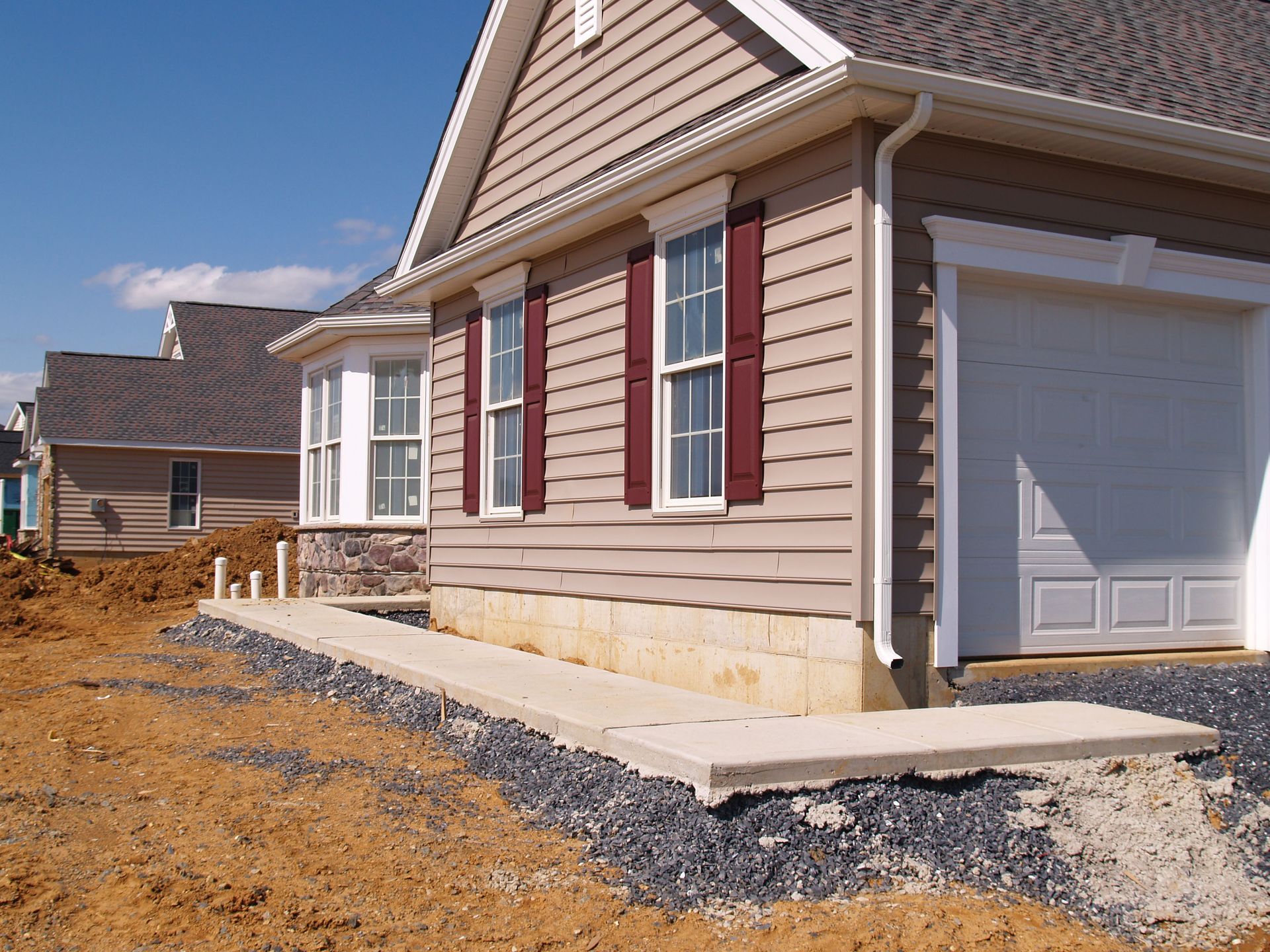
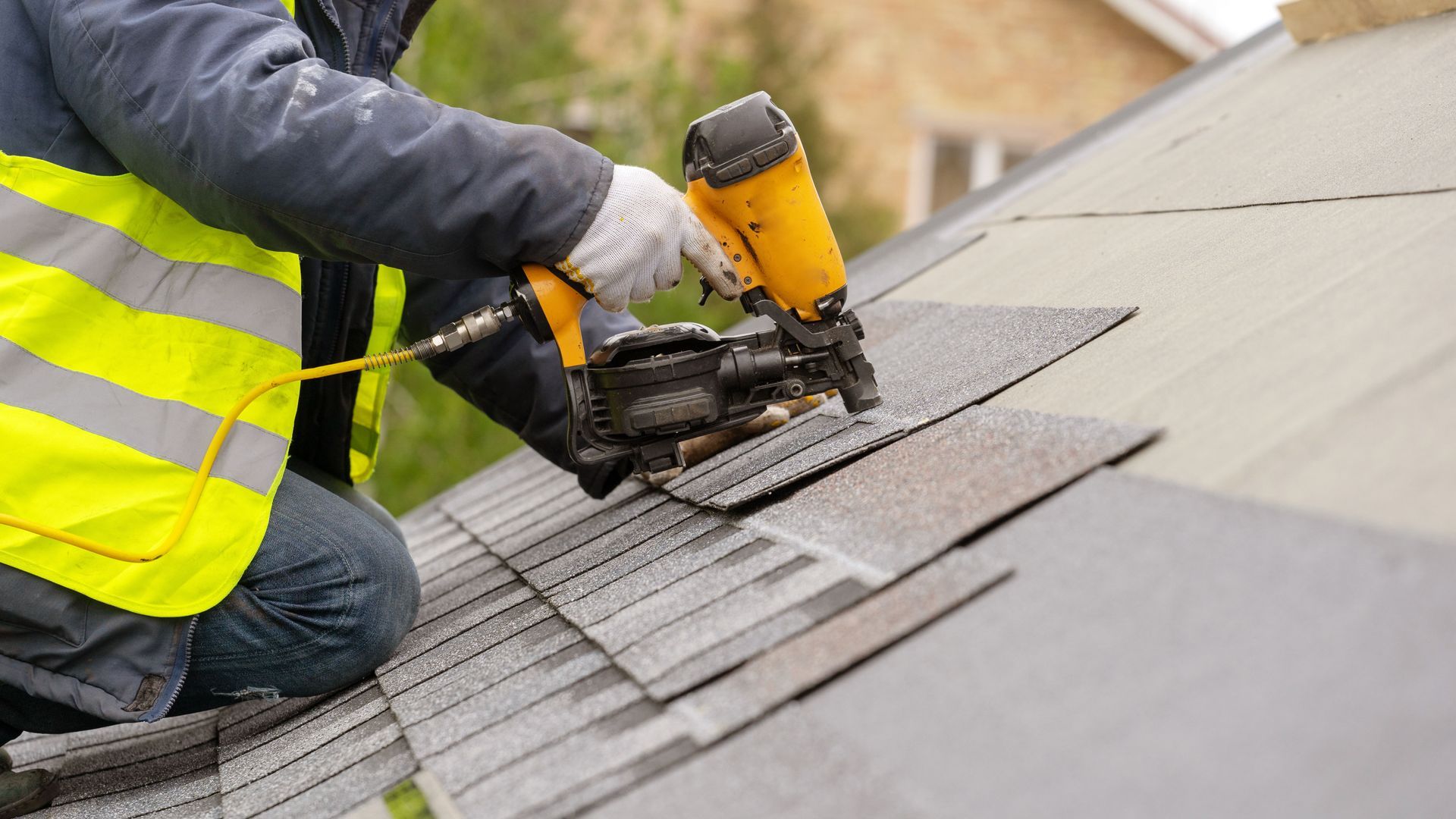
Replacing or installing siding is a significant home improvement project that can affect appearance, weather protection, maintenance needs, and long-term property performance. Before hiring a contractor, homeowners should understand exactly what the project involves and what they can expect from the company performing the work. Asking detailed questions can make it easier to compare contractors and identify potential concerns before installation begins. A professional contractor should be willing to explain materials, preparation, labor, warranties, and project timelines clearly. Homeowners should also look beyond the initial estimate because the lowest price may not always represent the most appropriate overall value. Taking time to discuss important project details can help establish realistic expectations from the beginning. The following questions can help homeowners have more productive conversations before choosing a siding professional.
1. What Siding Materials Do You Recommend?
The first question should address which siding material is most appropriate for the home. Different options, including vinyl, fiber cement, wood, and engineered products, offer different combinations of appearance, durability, maintenance, and cost. A qualified contractor should explain the advantages and limitations of each material rather than recommending an option without considering the property. Homeowners should ask how the material is expected to perform under local weather conditions and how frequently it may require maintenance. Roofing contractors and exterior specialists often work with several components of a home's exterior, so experience with related systems can also be useful. According to The Roofer's Guild, there are 96,474 roofing companies operating in the United States, demonstrating the importance of evaluating contractors carefully when selecting professionals for exterior improvement work. Homeowners should ask whether the proposed siding is compatible with the existing structure and other exterior materials. Understanding these details helps homeowners choose a product based on performance and suitability rather than appearance alone.
2. How Much Preparation Will the Project Require?
Proper preparation is an important part of a successful siding installation. Contractors may need to remove existing siding, inspect the underlying wall, replace damaged materials, or address moisture-related concerns before installing new products. Homeowners should ask what condition the underlying structure is expected to be in and how unexpected damage will be handled. A contractor should explain whether preparation work is included in the original estimate or charged separately if problems are discovered. Roofing contractors and other exterior professionals understand that water management around a home can involve multiple connected components. Homeowners should therefore ask whether flashing, trim, house wrap, or other protective materials need attention during the project. Clarifying preparation requirements before work begins can reduce surprises and help prevent delays. A thorough preparation plan also gives the new siding a more stable foundation and supports better long-term performance.
3. What Installation Experience Do You Have?
Experience can influence the quality and efficiency of an exterior renovation project. Homeowners should ask how long the contractor has been performing siding installations and how frequently the company handles projects similar to theirs. It can also be helpful to ask whether the crew has experience with the specific siding material selected for the home. Roofing contractors and other exterior professionals may have different specialties, so homeowners should confirm that the company has appropriate experience for the exact project being considered. Asking for examples of completed work can provide useful insight into workmanship and attention to detail. Homeowners may also want to determine whether the same crew will remain on the project from beginning to completion. A clear understanding of who will perform the work can make communication easier during installation. Choosing an experienced contractor can help homeowners feel more prepared for the scope and requirements of the project.
4. What Is Included in the Project Estimate?
A written estimate should provide enough detail for homeowners to understand what they are paying for. The document should identify the siding material, estimated quantities, labor, preparation work, disposal, trim, accessories, and other relevant project components. Homeowners should ask whether permits, removal of old siding, and cleanup are included or billed separately. Roofing contractors and exterior companies may structure estimates differently, so comparing the actual scope of work is more useful than comparing only the final dollar amount. Homeowners should also ask how the contractor handles unexpected structural damage discovered after old siding is removed. Any additional charges should be explained and approved before extra work is performed whenever possible. A detailed estimate can reduce misunderstandings and make it easier to compare proposals from different companies. Reviewing the document carefully before signing provides an opportunity to resolve questions while changes are still easy to make.
5. How Will You Protect My Property?
Siding installation involves cutting materials, moving equipment, removing old products, and working around landscaping and other exterior features. Homeowners should ask how the contractor plans to protect windows, doors, plants, outdoor furniture, driveways, and other property during the project. The contractor should also explain how debris will be collected and removed from the site. Roofing contractors and other exterior crews often work around ladders, tools, and construction materials, making organized site management important. Homeowners should ask whether protective coverings will be used and how daily cleanup will be handled. It is also useful to clarify where materials, equipment, and waste containers will be placed during the project. A well-organized work area can reduce unnecessary disruption and help keep the property safer while crews are present. Discussing these procedures in advance gives homeowners a clearer understanding of how their property will be managed throughout the installation.
6. How Long Will the Installation Take?
Project timelines can vary depending on the size of the home, selected material, weather, preparation requirements, and crew availability. Homeowners should ask for an estimated start date and completion timeframe before approving the project. They should also ask what circumstances could cause the schedule to change and how those changes will be communicated. Roofing contractors and other exterior professionals may need to coordinate work around weather conditions because moisture and high winds can interfere with certain installation activities. Homeowners should understand that an estimated timeline is not always a guaranteed completion date. It is also helpful to ask whether material delays or unexpected repairs could affect the schedule. Clear communication can make temporary disruptions easier to manage and reduce uncertainty during the renovation. A realistic schedule allows homeowners to make arrangements for pets, vehicles, outdoor activities, and other household considerations.
7. What Warranty Coverage Do You Provide?
Warranty coverage is another important subject to discuss before siding work begins. Homeowners should ask about both the manufacturer's product warranty and the contractor's workmanship warranty. These warranties may cover different issues, so understanding the distinction can help prevent confusion later. Roofing contractors and exterior professionals should be able to explain what their workmanship coverage includes and how homeowners can request service if a covered issue develops. Homeowners should ask how long each warranty lasts and whether there are maintenance requirements that could affect coverage. It is also useful to determine whether warranty documentation will be provided after installation is completed. Some warranties may have specific exclusions for storm damage, improper maintenance, modifications, or other circumstances. Reviewing warranty terms before signing a contract gives homeowners an opportunity to understand their responsibilities and the protection associated with the project.
Choosing a siding contractor requires careful consideration of materials, preparation, workmanship, costs, timelines, warranties, and future support. Asking the right questions gives homeowners a better understanding of what a project will involve before construction begins. It can also help them compare contractors based on experience and the completeness of their proposals rather than price alone. Carolina Exterior Pros can help homeowners discuss their exterior improvement needs and determine appropriate solutions for their properties. Contact us to discuss your siding project and learn more about the options available for improving and protecting your home's exterior.